Mental Health First Aid Training for Construction and Engineering
Your industry already leads the way on physical safety. This is about bringing the same mindset to mental health.
Accredited mental health first aid training for sites, yards, plants and offshore teams. Every course is led by a practising therapist and shaped around the way your people actually work: shifts, noise, deadlines and time away from home.
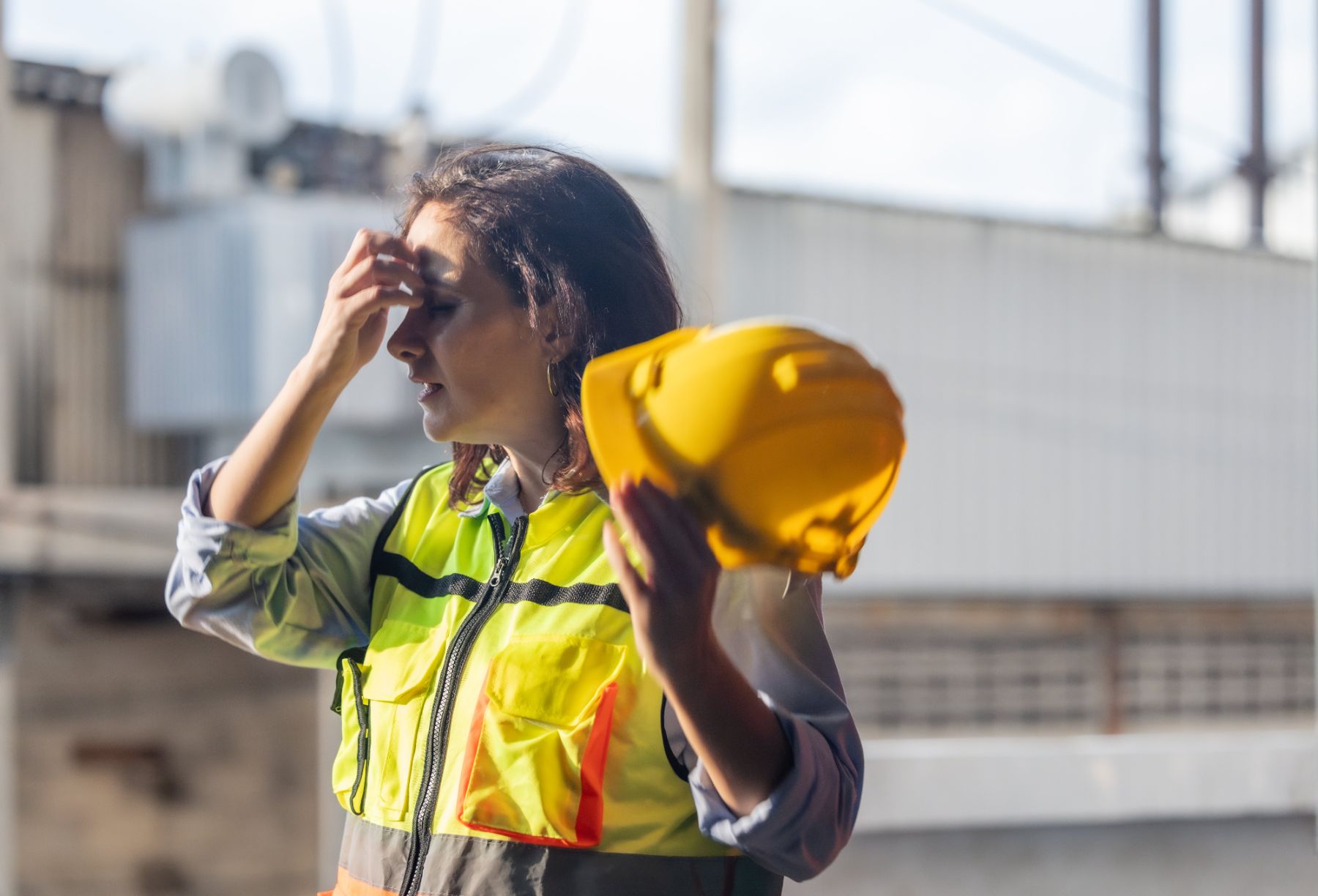
Poor mental health doesn’t always walk through the door looking sad.
On a site, in a yard or offshore, “find somewhere quiet and have a chat” sounds great in a training manual. In the real world, where? You are surrounded by people, noise, machinery and deadlines. Offshore, you might be living alongside the same people you work with.
And struggling rarely looks like the textbook. It can look like anger. Taking risks. Drinking more. Not sleeping. Turning up late. Going unusually quiet. Or somebody who has always been reliable suddenly making mistakes they wouldn’t normally make.
The barrier isn’t always that people won’t talk. Sometimes we have just created a way of talking about mental health that doesn’t sound anything like them. Our training sounds like the people in the room.

Why the industry is taking this seriously
Construction already leads the way on physical safety. The figures on mental health tell a different story.
Behind every figure are people. When a colleague dies by suicide, the people who worked beside them often carry it for years.
Sources: QBE survey of UK construction workers, May 2024. Office for National Statistics, suicide by occupation.

Where’s your head while your hands are doing the job?
Mental health doesn’t stay at the gate when somebody clocks in. If someone hasn’t slept properly for three nights, they are still climbing the ladder, driving the forklift and making decisions beside people whose safety depends on them being switched on.
This isn’t about saying poor mental health causes accidents. That’s too simple. It’s about asking whether the things that often come with struggling, like fatigue, distraction, slower decisions and shortcuts, can increase risk.
Your team already looks for what sits behind an incident. We help you bring human factors into that picture, and further upstream: near misses, changes in behaviour, the experienced worker who suddenly starts making silly mistakes.
- What happens when someone says they’re not fit for a task today, and can they say it without worrying?
- What do supervisors notice before an incident happens?
- What are your near misses telling you?
- Where does fatigue show up?
HR thinks about supporting the person. Health and safety thinks about managing the risk. Quite often, it’s the same person.
Train the whole workforce, at the right level
Three accredited levels that mirror how responsibility sits on a site. Anyone can take any level. The right one depends on the role a person will take on.
Mental Health Toolbox Session: Recognising and Responding on Site
For the whole workforce. Spot the early signs of stress, burnout and anxiety, know how to respond and where to point someone for support. Not counsellors. People confident enough to notice and speak up.
Mental Health First Aider for Construction
For the people others on site already turn to, such as supervisors, team leaders and key personnel. Have supportive conversations and guide people towards the right help.
Mental Health Champion for Construction Leaders
For those who shape how a site or business runs. Leadership, culture, and how pressure, fatigue and site conditions affect people, so they feel able to speak up early.
Training built around your organisation
A programme shaped around your sites, shift patterns and safety procedures, for when a standard course only goes so far.
Training that fits the way your sites run
We come to you. Your people learn together, in the place they actually work, with less time away from the job.
Built around shifts
We can run several sessions across a day or a week, so cover is easier to arrange around shift patterns.
In person or online
Fully in person at your site, yard or office, or fully online for teams spread across locations. We never mix the two in one session.
Linked to your escalation routes
We connect the training to your own policies, EAP and occupational health, including what happens if the person you are worried about does safety critical work.
Training in a safety critical industry
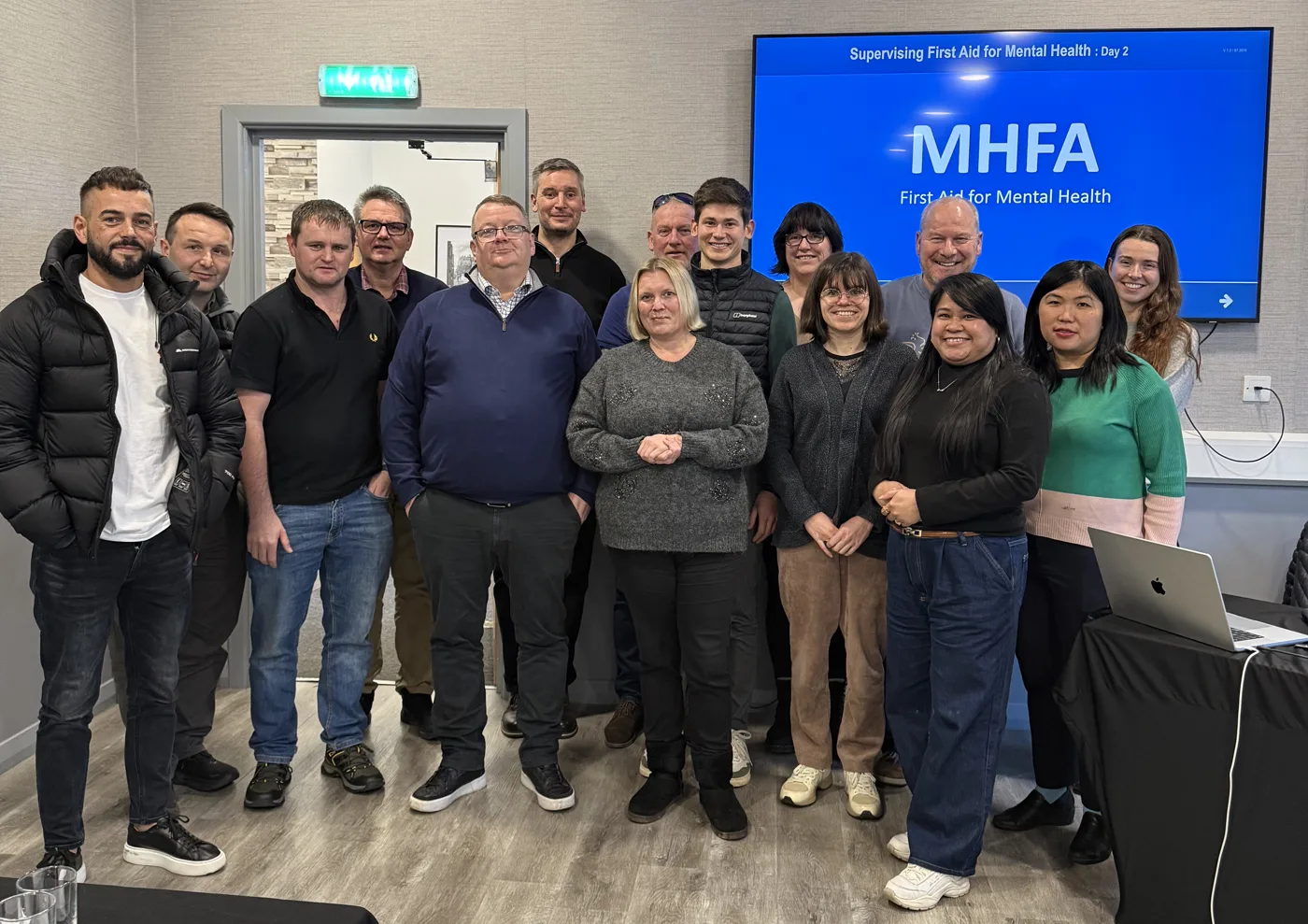
We trained a group from a multinational organisation in a safety critical industry over two days in Edinburgh, alongside a second group at their offices in Norway. The focus was giving people the confidence to notice when a colleague is not themselves, and to start that conversation.
The results to date have been excellent, and we would be very happy to recommend Andy and Piece of Mind to other organisations looking for a trusted, consultative partner in this space.
What people said afterwards
Practical training from people who do the work
Practising therapists
Our trainers work with anxiety, trauma and depression in the therapy room every week. That is what lets them handle whatever comes up in a session.
Scotland, UK and beyond
We are based in Glasgow and deliver across Scotland and the UK, and have trained teams overseas, with the same trainers and the same standard everywhere.
Support that carries on
Every course includes the Reach Out app, so your people have practical guidance to hand long after the training day.
Mental health first aid in construction: your questions answered
Is the training accredited?
Yes. Our mental health first aid courses are credit rated and recognised by Qualifications Scotland, with levels that are equivalent to the RQF in England. Everyone who passes gets a certificate that lasts three years.
How are people assessed?
Through role play scenarios, case study scenarios they work through in the room, and a multiple choice and short answer assessment. We want to know people can actually have the conversation, not just that they turned up.
Can you deliver on site?
Yes. We train at your site, yard, depot or office anywhere in Scotland and across the UK. All we need is a room with space for the group and a screen. We can also deliver fully online for teams spread across locations.
Which level do our people need?
Anyone can take any level. It depends on the role a person will take on. Many organisations train the wider workforce at Level 1, the people others already turn to at Level 2, and those who shape the culture at Level 3. We will help you work out the right mix on a free call.
What if some of our people think this is soft stuff?
Some will, and that is fine. You have to bring people on the journey. Don’t tell them they are going on a course, ask them. In the room, we earn our way in. Sometimes humour is the doorway, and sometimes the person who takes the mick for the first twenty minutes asks the most serious question of the day.
How does this fit with health and safety?
It sits naturally alongside it. Fatigue, distraction and changes in behaviour are human factors that can raise risk. We help supervisors notice when something has changed and feel confident to ask, especially before someone starts safety critical work.
How long does the certificate last?
Three years. We recommend a short refresher every year so the skills stay fresh. See refresher training.
How much does it cost?
For a group at your workplace, Level 1 starts from £995, Level 2 from £1,795 and Level 3 from £2,495. Prices include VAT and cover the whole group, not each person. What should you get for the money?
Training for your site or team?
Tell us about your people and what is going on. We will suggest the right course and give you a clear price.