



Mental health first aid across the UK and Europe
A multinational organisation in a safety critical industry, with teams in the UK and Norway.


The challenge
Mental health can be difficult to talk about at work. People often notice when a colleague isn't quite themselves. They might become quieter, withdraw from the team, seem overwhelmed or simply behave differently.
The problem isn't always noticing. It's knowing what to do with what you've noticed. Should I say something? What if I make it worse? What if they tell me something serious? What am I actually supposed to do? Those were exactly the kinds of barriers the training was designed to address.
What we delivered
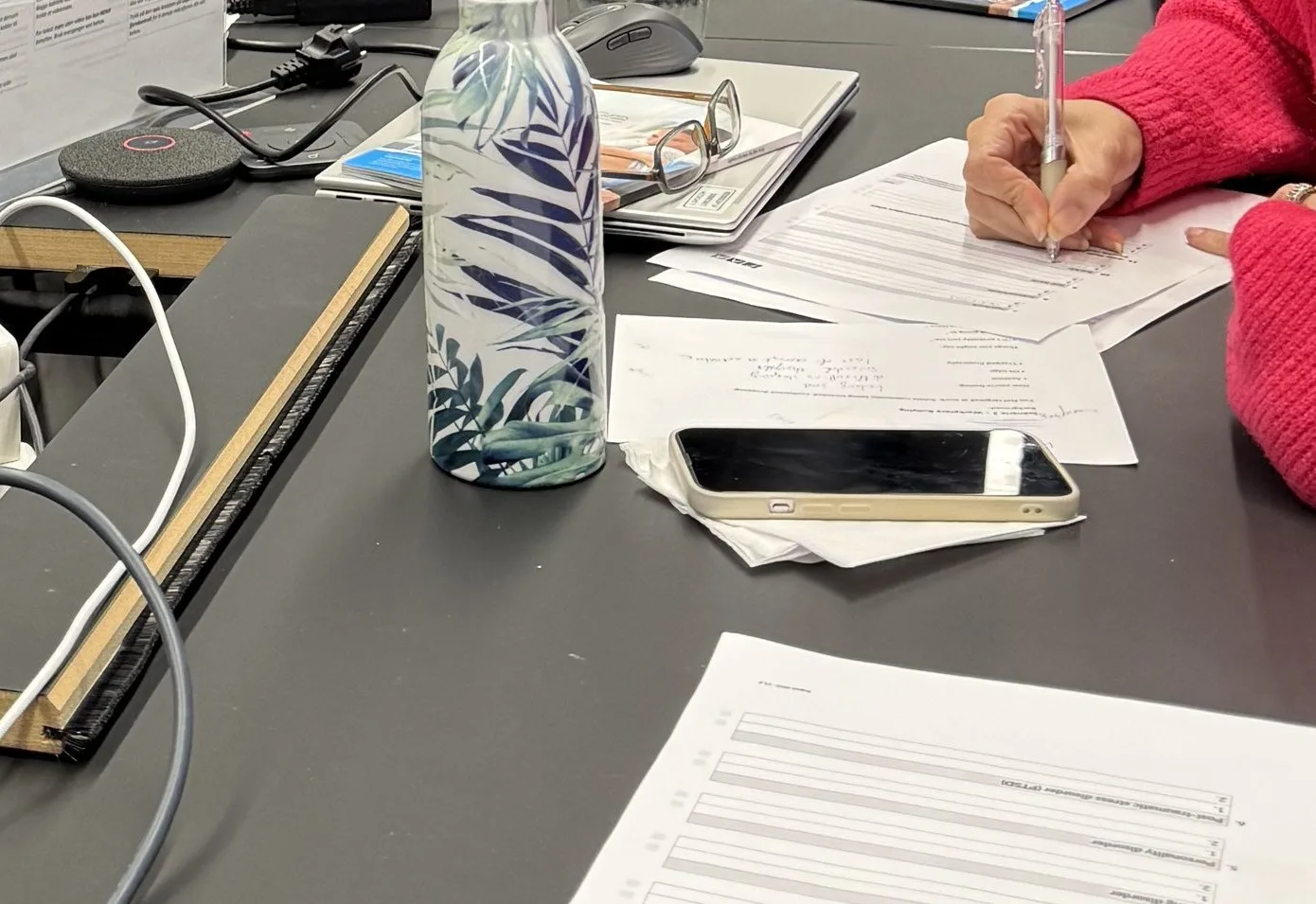
We delivered Mental Health First Aid training to groups of employees across different locations in the UK and Europe. The training gave participants a practical understanding of mental health and common mental health conditions, alongside the skills to recognise when somebody may be struggling.
But knowledge was only part of it. A major focus was helping people feel more comfortable having real conversations. How do you approach somebody? What do you say? How do you listen without immediately trying to fix things? What happens if somebody tells you they're having thoughts of suicide? And importantly, where does your responsibility end?
What participants took away
The aim wasn't for people to leave knowing more terminology. It was for them to leave feeling more able to do something when it mattered. Participants developed greater confidence in:
- recognising possible signs that somebody may be struggling
- starting a conversation about mental health
- listening without judgement or trying to solve the problem
- responding appropriately when somebody discloses something serious
- understanding suicide and how to ask about it directly
- signposting people towards appropriate support
- understanding their own boundaries and responsibilities
- recognising signs within their own mental health and wellbeing
Perhaps the biggest change was much simpler. Giving people permission to notice each other. Someone doesn't need to know whether a colleague has anxiety, depression or anything else. They don't need a diagnosis. Sometimes they just need enough confidence to say:
"You don't seem yourself lately. Are you okay?"
That conversation might last two minutes. But for the person who needs it, it could matter enormously.