More organisations want mental health training for their people, and many would rather have someone in house, or someone local they trust, to deliver it. That has led a lot of trainers, HR people and therapists to ask the same question: how do I become a mental health first aid instructor?
The short answer is that you complete an instructor programme with a training provider, then deliver that provider’s courses under their approval. But the route you choose makes a big difference to what you can offer afterwards, so it’s worth understanding what’s involved before you book anything.
What a mental health first aid instructor does
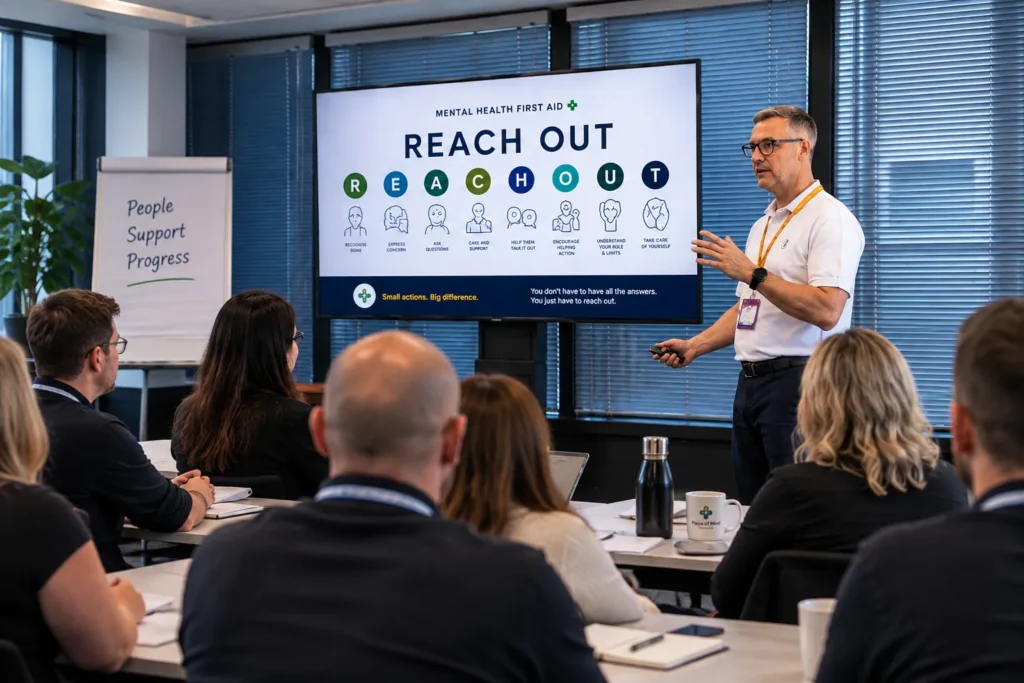
An instructor delivers mental health training to groups of learners, usually in workplaces. That might be a half day awareness session for staff, or a longer course that prepares people to be the person colleagues turn to when they’re struggling.
The job is more than presenting slides. A good instructor:
- Helps people feel safe enough to talk about difficult subjects, including suicide and self harm
- Teaches practical skills, like how to start a conversation and what to say when someone tells you they’re not okay
- Explains where a first aider’s role ends, and how to signpost and escalate
- Notices when the subject is hitting close to home for someone in the room, and handles it with care
- Assesses learners fairly, so the qualification means something
Who it suits
People come to instructor training from very different places. The ones we see most often are:
- HR professionals and people leads who want to bring training in house
- Independent trainers who already deliver physical first aid or health and safety training
- Coaches, counsellors and therapists
- Police officers, paramedics and other frontline professionals
- Organisations training their own internal trainers
What they have in common is that they’re comfortable standing up in front of a group, and they care about doing this properly.
What you need before you start
A teaching qualification, or be working towards one. This is the part that puts people off, so it’s worth being clear: it doesn’t mean a teaching degree or going to university. It means a short qualification in teaching adults, such as the Level 3 Award in Education and Training, often called the AET. It’s designed for anyone who trains adults, and covers how to plan a session, deliver it and assess your learners, finishing with a short practice teaching session.
Colleges and private training providers across the UK run it, many of them online. Some spread it over a few weeks of part time sessions, others run it more quickly. You can usually start our instructor programme while you’re working towards it. If you already hold a training or assessing qualification, ask us and we’ll tell you whether it counts.
Some experience of delivering training. You don’t need to be a seasoned trainer, but you do need to be confident running a room.
A steady relationship with the subject. Mental health training brings up personal experiences, for learners and sometimes for you. It’s worth asking yourself honestly whether you’re in a good place to hold that.
What instructor training involves
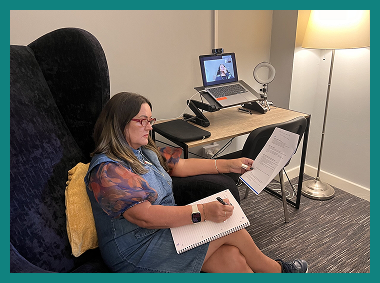
Instructor programmes vary in length and depth. Ours runs over three days, face to face or live online, and covers:
- Mental health and wellbeing at work, and the law around it
- Recognising when someone may be struggling
- Common and complex mental health conditions, including stress, anxiety and depression
- Trauma, self harm and suicide awareness
- Starting supportive conversations, listening and responding
- Signposting, referral, escalation and role boundaries
- Reasonable adjustments, stigma and psychological safety
- Building and delivering your own training sessions
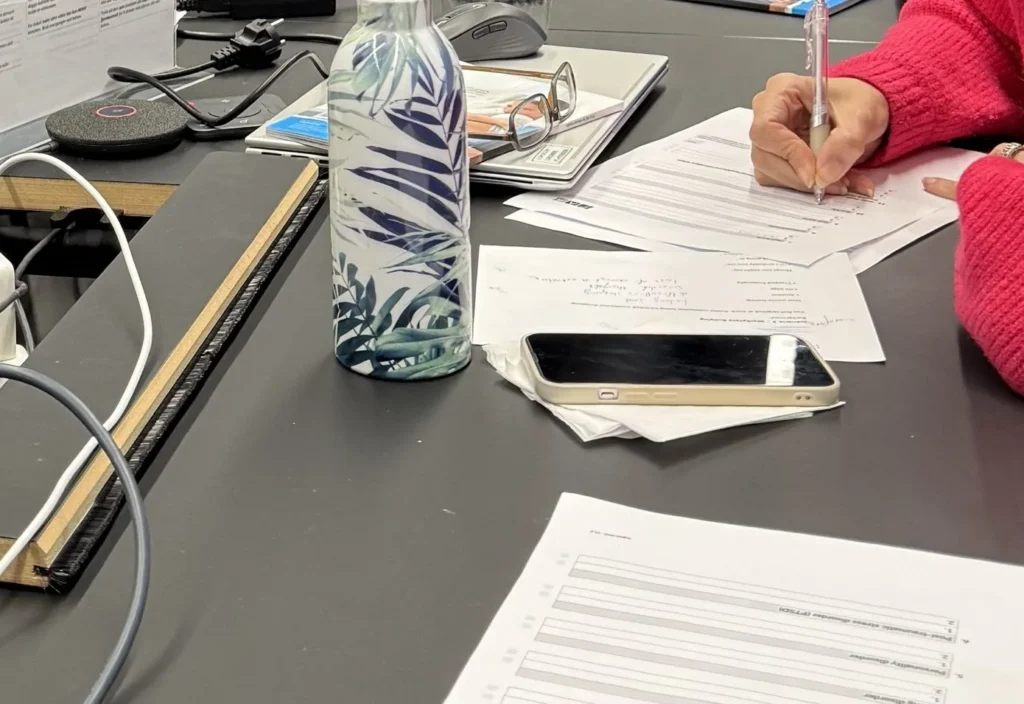
You also need to understand how your learners are assessed. With our courses, assessment is built into the course itself, online or in the room, so everyone finishes the course with their assessment done. That makes life a lot simpler for you as an instructor.
How long it takes and what it costs
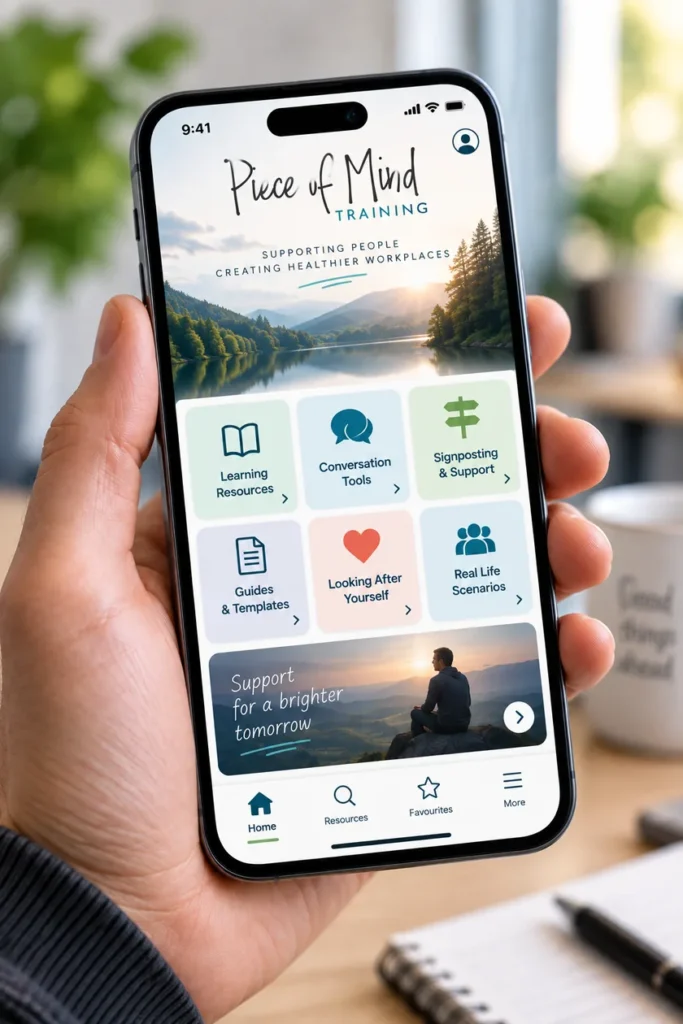
Our instructor programme is three days and costs £450 per person. That includes the course materials, tutor notes, your instructor certificate and subject qualification, access to our learner app for the people you train, our portfolio of extra workplace programmes, ongoing content updates and support with renewal. Certificates last three years.
When you compare providers, look at the full cost over time, not just the course fee. Ask about any yearly fees, charges per learner certificate, materials and what renewal involves.
Questions to ask any instructor programme
Before you choose, these questions are worth asking:
- Are the courses I’ll deliver credit rated or independently recognised, and at what level?
- Who delivers the instructor training, and do they work in mental health themselves?
- How are my learners assessed, and does that happen within the course?
- What support do I get after I qualify, and who do I call when a session gets difficult?
- What do my learners get after the course, beyond a certificate?
- What are all the costs, now and over the next three years?
- Can I deliver online as well as face to face?
- Do I have the freedom to teach in my own style?
Our instructor programme
Our instructor programme prepares you to deliver our three workplace qualifications: Level 1 Mental Health Awareness in the Workplace, Level 2 Managing Mental Health Awareness in the Workplace and Level 3 Advanced Leadership in Workplace Mental Health. They are credit rated in Scotland.
The programme is delivered by practising therapists who work with mental health every week. You get the structure and the materials, and the freedom to deliver in your own voice. Upcoming programmes run on 22 January 2027 face to face in Glasgow and Birmingham, 22 March 2027 online, and 14 May 2027 face to face. We also run closed programmes for organisations training several instructors at once.
You can read more about our instructor training or get in touch for a no obligation chat.
Common questions
Do I need a teaching qualification to become a mental health first aid instructor?
To deliver credit rated qualifications, yes, or you need to be working towards one. That doesn’t mean a teaching degree. A short qualification in teaching adults, such as the Level 3 Award in Education and Training, is what most people take, and many providers run it online. Whichever programme you look at, check exactly what it will qualify you to deliver.
Can I train people in my own organisation?
Yes. Many instructors qualify so they can deliver training in house, which can work out cheaper than bringing in an external trainer for every course.
Can I deliver mental health first aid training online?
With us, yes. All three levels can be delivered fully online or fully in person, with assessment built into the course either way.
How long does an instructor qualification last?
Ours lasts three years, with renewal support from us.
I’m already an instructor with another provider. Can I move across?
Yes. Get in touch and we’ll talk through what moving across would look like for you.
Thinking about becoming an instructor?
If you’d like to talk it through, or check whether your qualifications count, we’re always happy to have a chat, with no obligation.