A lot of the people who train with me are already helping people for a living. Counsellors. Life coaches. Nurses and paramedics. Massage therapists. People who already do EFT or NLP and want something more.
They usually come with the same question. “I’m already doing this work. What would hypnotherapy actually add?”
Here’s my honest answer.
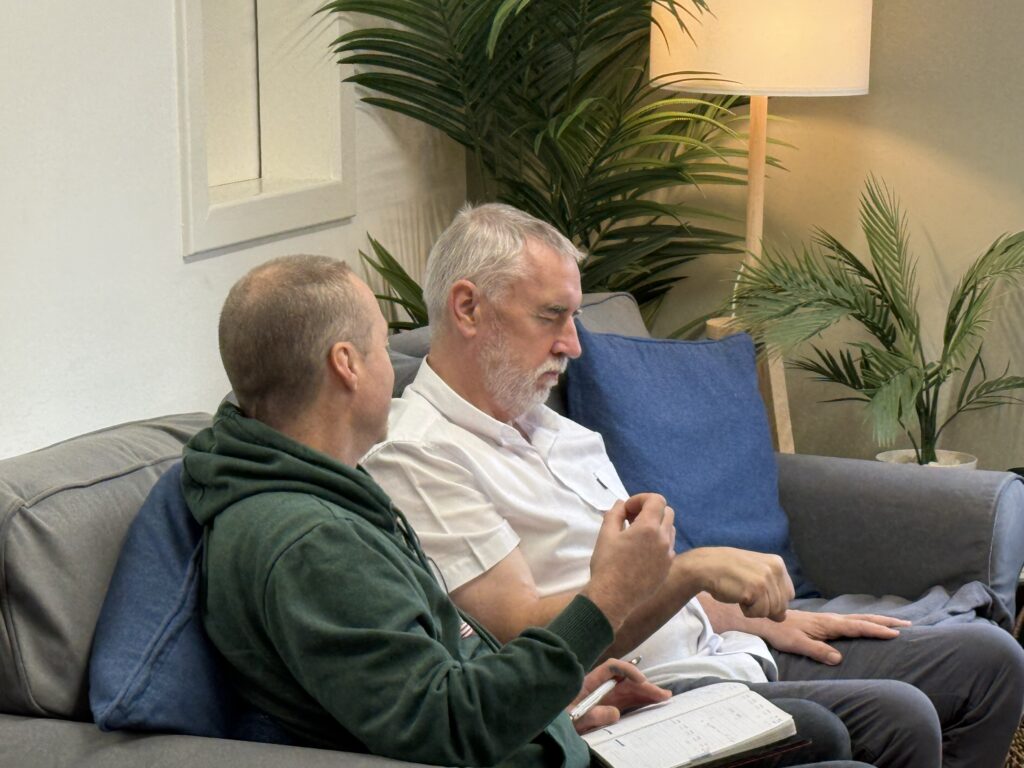
Why therapists add hypnotherapy
Most talking therapies work with the conscious mind. You explore what’s happening, you make sense of it, you look at patterns. That’s valuable. I do a lot of it myself.
But you’ll have clients who understand their problem perfectly and are still stuck with it. They know the panic makes no sense. They know the fear of flying is out of proportion. Knowing hasn’t changed how they feel.
That’s often where hypnotherapy helps. It gives you a way to work with the part of someone that reacts before they’ve had a chance to think. For a lot of practitioners, that’s the missing piece.
What you actually learn
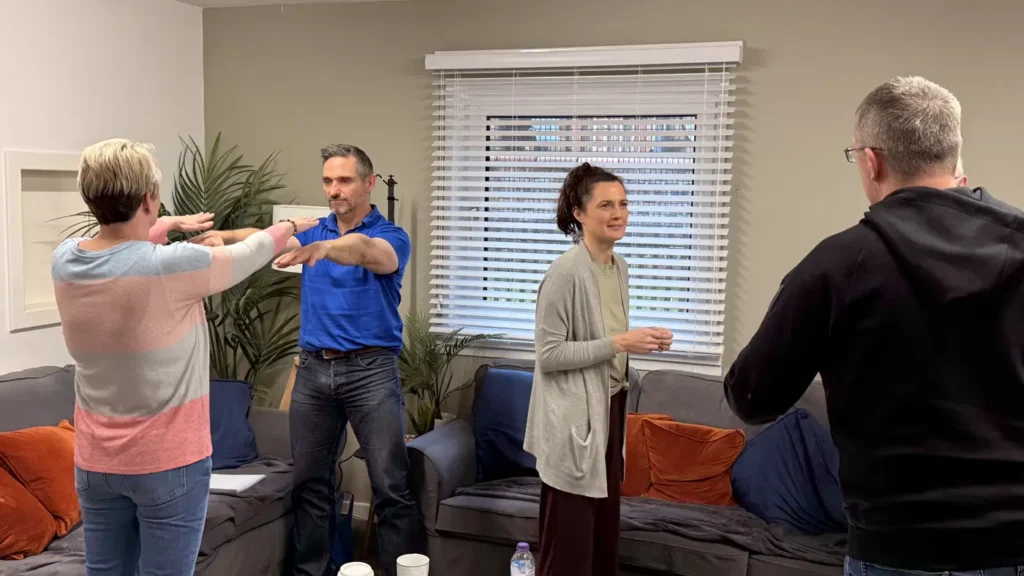
The course isn’t just hypnosis. Alongside hypnotherapy you learn a range of ways of working with people, including EFT, NLP, life coaching skills, regression and eye movement reprocessing techniques. The idea is that you leave with a toolkit, not one technique you try on everyone.
You also learn how to put it all together with a real client. When to use what. What to do when something doesn’t go the way you expected. How to keep someone safe and comfortable.
If you already have a therapy background, you’ll find a lot of this sits naturally alongside what you do. You won’t be starting from scratch on the people skills. What tends to be new is the confidence to guide someone into a different state and know what to do once they’re there.
Will my existing training count?
Your experience counts for a lot in the room. Counsellors and coaches tend to pick up the client work quickly, because listening, building trust and holding a session are already second nature.
The course itself is the same for everyone, though. Hypnotherapy has its own skills, and I’d rather you learned them properly than skipped bits because you’re experienced elsewhere. Plenty of experienced practitioners tell me afterwards that the practice was the part they valued most.
Which route suits you?
There are two routes.
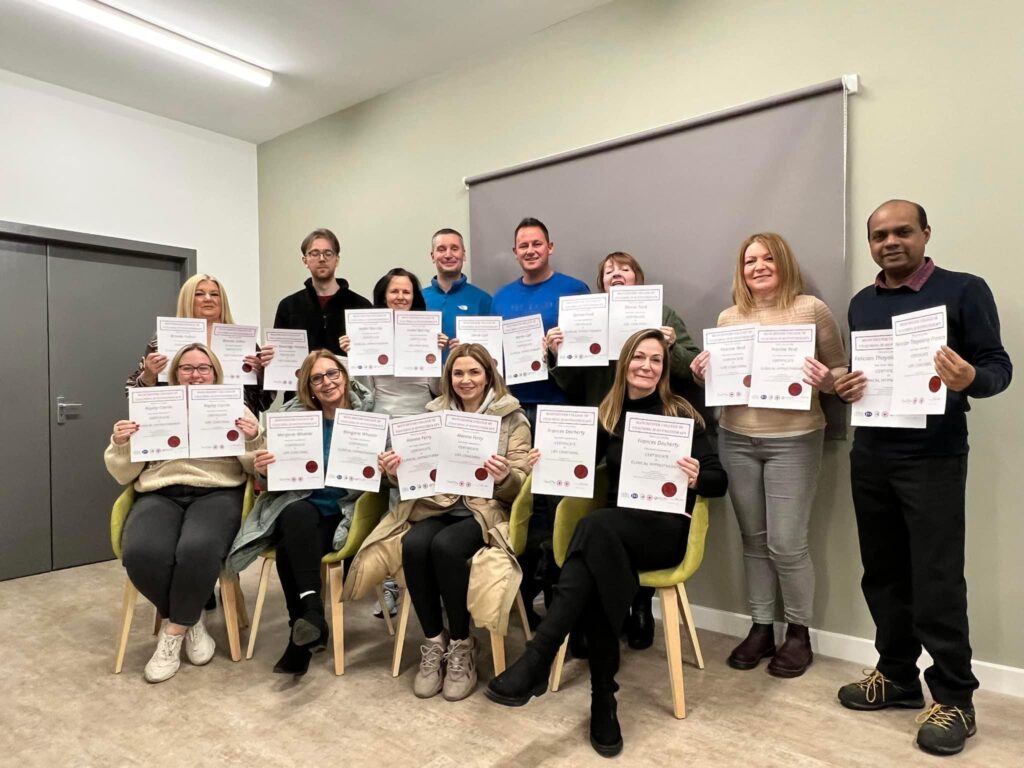
Foundation Diploma. Four weekends over four months. £1,300, which you can spread over the four months. This gives you a recognised qualification and lets you register with the ACCPH. It suits a lot of therapists who want to add hypnotherapy to an existing practice.
Full Diploma. Nine months, nine weekends. £3,000, which you can spread over the nine months. The full Diploma goes further, with case studies, an open book exam and a practical assessment, and it includes a separate qualification in regression. It suits people who want hypnotherapy to become a main part of their work.
If you start with the Foundation and want to carry on, you can move on to the full Diploma and just pay the difference.
I go through the two side by side in Foundation Diploma or Full Diploma in Hypnotherapy: Which Is Right for You?
Fitting it around your practice
The training runs at weekends, so you don’t need to cancel clients to do it. Saturdays run from 9am to 4:30pm and Sundays from 10am to 4pm.
You can train in person at Orchard Park in Glasgow, or live online. Online isn’t a recorded course you work through on your own. It’s the same weekends, in real time, with the same teaching and the same practice.
Between weekends you practise. Most therapists find they can bring small pieces into their existing work quite quickly, where it’s appropriate, which helps it sink in.
What happens after the course
This is the part I care about most. A certificate on the wall doesn’t mean much if you never feel confident using it.
Students keep access to our online school and student community after the course, so they can go back over material and ask questions. Members of The Vault, our ongoing training membership, can also come along to supervision sessions at Orchard Park, which count towards supervision and CPD hours.
Frequently asked questions
Can counsellors train in hypnotherapy?
Yes. Counsellors are some of the people who get the most from it, because the listening and client skills are already there.
Do I need the full Diploma if I’m already qualified as a therapist?
Not always. The Foundation Diploma gives you a recognised qualification and lets you register with the ACCPH, which is enough for many therapists adding hypnotherapy to their work. If you want hypnotherapy to become a main part of what you do, the full Diploma goes further.
Is the course BACP accredited?
No. BACP accredits counselling training. Hypnotherapy has its own professional bodies. You can read more in Is This Hypnotherapy Course Accredited?
Can I train online?
Yes. The live online option is the same weekends, the same teaching and the same qualification as the Glasgow classroom.
How much does it cost?
The Foundation Diploma is £1,300 and the full Diploma is £3,000, both of which can be spread over the length of the course. There is more detail in How Much Does Hypnotherapy Training Cost in the UK?
When is the next course?
The next intake starts on Saturday 27 February 2027, in Glasgow or live online.
Want to talk it through?
If you already work with people and you’re wondering whether hypnotherapy would fit, book a free call and we can talk about it with no obligation. You can also see dates and full details on our hypnotherapy training page.