Rapid Anxiety Therapy

Stop your excessive anxiety now.
Begin a new life free from anxiety.

Anxiety can make your world smaller.

Maybe you’re constantly overthinking. Maybe your mind jumps to the worst-case scenario.
Or perhaps anxiety hits you out of nowhere and you don’t even understand why.
You might know logically that you’re okay, but your mind and body don’t seem to have got the message.

The good news is anxiety doesn’t have to keep deciding how you live your life.

I can help you understand what’s happening and start changing the patterns that are keeping the anxiety going.

Are You Ready To Let Go of Your Anxiety

I created the Anxiety Unplugged programme based on everything I learnt during my personal battle with anxiety.I have been free from my anxiety habit for over 16 years now - and so can you!

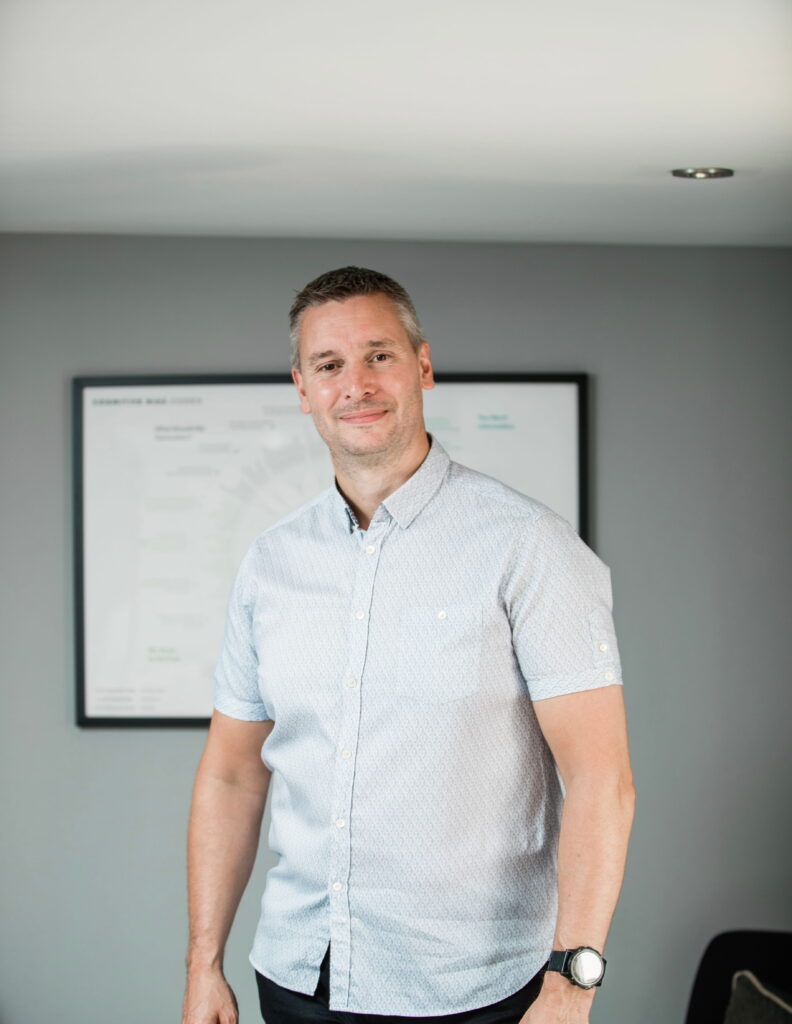
Andy Griffiths

What Are Some Signs Of Anxiety?

One of the main symptoms when experiencing anxiety is that you can have a lot of thoughts racing through your mind, and these thoughts are usually negative or scary in nature.You may experience difficulty concentrating on anything for more than a few minutes or you may feel like time has slowed down such that everything seems to be moving in slow motion.You may also have an increased heart rate or feel very tense, you may start sweating and your breathing becomes shallow and restricted.Sometimes people will have panic attacks when the symptoms get worse.Panic attacks can include chest pain, heart palpitations, difficulty swallowing, feeling like you are choking, numbness or tingling sensations in your extremities, hot flashes or chills, and more.If this sounds a lot to handle on your own there is help available—check out this article on the different types of anxiety disorders for some great help that can provide treatment options for anxiety disorders.But first check with your doctor to make sure the symptoms you are experiencing are not due to something else, like a medication side effect or a thyroid disorder.
Pills concept
Cropped picture of sad young woman

What does it feel like to have an anxiety attack?

So, you’re sitting there and the anxiety attack comes out of nowhere. You don’t know what’s happening or why it’s happening but all you know is that this must be anxiety because anxiety has been building up inside of you for a while now.

You feel your heart pounding quickly in your chest as if you’re about to have a heart attack. Your anxiety might be so intense that you start shaking uncontrollably or crying for no reason at all.

You’re also feeling like the anxiety is in control of your body and mind, which makes it even more difficult to get a grip on what’s happening to you whilst experiencing an attack.

Anxiety attacks can also cause you to feel like you’re about to pass out or vomit, which is a common feeling for someone who has anxiety because it’s happening so suddenly and intensely that you have no time to adjust or regulate your breathing properly.

Another symptom is the feeling of being unable to escape from whatever it is that has caused your anxiety–whether it be a thought, situation, or person.

Find out how you can deal with them here: Panic Attacks And How To Treat Them

Why Do People Get Anxious?

Anxiety may have a biological cause, such as an imbalance between serotonin or another chemical that affects moods for example. It could also be caused by other factors like stress or underlying anxiety disorders.

People should be aware that feeling anxious is a common feeling and not something to worry about too much, as it can often go away by itself with time or some self-help techniques. Some people may experience anxiety more than others, but everyone experiences anxiety from time to time.

Anxiety isn’t always a bad thing. For example, anxiety can help people react quickly and think clearly during an emergency situation. Some anxiety is normal because anxiety pushes us to react quickly when we are faced with dangerous situations.

However, anxiety should never be ignored if the feeling persists for longer than expected or starts to take over your life. Anxiety usually goes away by itself but it may also benefit from some self-help techniques like deep breathing exercises and meditation.

If you notice a change in moods or behaviour then talk to a professional who will work with you on finding the right treatment plan for anxiety relief.

Anxiety often disappears after some time without any kind of intervention needed; however, there are many effective ways to treat anxiety naturally at home

If you have read my story you will understand that I had a long battle with anxiety. I tried everything to rid myself of anxiety including numerous visits to my GP, medication, counselling, breathing techniques and finally researching the condition and curing myself. My battle with anxiety inspired me to become a trained therapist who specialises in all anxiety conditions.

I created the Anxiety Unplugged programme based on everything I learnt during my personal battle with anxiety.

I have been free from my anxiety habit for 16 years now – and so can you!

Fundamentally there is nothing wrong with, you are not ill, you are not broken and more importantly, you are not dying. 

Although the symptoms of anxiety are very real and very scary (I know….) what you are really experiencing is a bunch of sensations that in reality cannot harm you.  

How Do I Know If I Suffer From Anxiety?

Anxiety can manifest itself in many different ways. You may find that you:
  • Have difficulty concentrating

  • Become irritable and/or suffer mood swings.

  • Experience chest pain and shortness of breath.

  • Have trouble sleeping or just feeling fatigued.

  • Feel increased anxiety the next day after a stressful event.

  • Hypersensitivity

  • Feel uncomfortable in social situations.

Anxiety is an emotional response to something in the environment, which can also be a physical reaction.

Anxiety is a mental illness that creates many different physical responses, such as sweating, shaking or nausea

Anxiety causes the body to produce increased amounts of adrenaline and cortisol which could affect digestion or even your blood pressure

It’s important for people with anxiety to know what their bodies are telling them so they can properly address anxiety.

Learn more about anxiety and your physical health

Why do anxiety symptoms jump around?

Feeling anxious or experiencing anxiety symptoms may come and go. This is because anxiety can cause the body to become more sensitive, which makes people more prone to anxiety attacks

One reason for this fear response could be that anxiety stimulates a part of your brain called the amygdala.
The way it does so varies depending on what type of anxiety you have.

Generalized anxiety disorder (GAD) will activate the amygdala through thoughts about events in the future or worries over everyday tasks like grocery shopping or cooking dinner;

Panic disorder activates it with memories associated with past panic attacks.

The increased sensitivity leads some people suffering from GAD into a cycle where they feel anxious, then start worrying about their feelings of anxiety and becoming convinced that despite having no physical signs, something must be wrong with their health.

The anxiety symptoms can also be triggered by stress or a traumatic event, which causes the amygdala to become hypersensitive and react to things that don’t typically cause anxiety.

People who have experienced trauma may feel more anxious when they’re in certain situations, like crowded places or being near someone they’ve had trust issues with before.

This is because memories of past traumas are stored in our brains as if they were still happening; this means it’s much easier for them to come back up during times where we might already be feeling vulnerable.”

Calm man

Is anxiety permanent?

No anxiety is not permanent.

If anxiety is left untreated or isn’t taken seriously, you may end up dealing with anxiety and the symptoms it causes for years without any relief in sight.

There are a variety of things that can causes anxiety but there are a few things that people have found to cause more intense anxiety like sleep deprivation, stress at work, school, feeling overloaded with responsibilities, etc.

team that can cope

Are drugs effective for treating anxiety disorder?

Medication can be used to assist in certain situations used in the right way.

If you start taking paracetamol for a headache and find yourself still taking paracetamol four days later for the same headache.

The paracetamol’s not working.

Unfortunately exactly the same thing goes on with prescription medication (‘Anxiety medication: List, types, and side effects‘) given for anxiety.

It becomes a long term crutch used to treat the ill effects of anxiety without ever addressing the root cause.

The best way to cure a person suffering from anxiety in the longer term is through therapy because you need someone who wants to understand what you’re going through or has experienced anxiety themselves and knows how it feels for you.

A person who knows exactly how to deal with your unique situation.

What's the real cause behind anxiety?

A lot of anxiety is a byproduct of your brain’s survival instincts. The anxiety you feel when faced with something stressful or unexpected isn’t just in your head, it’s actually an instinctive response to help keep you safe and secure.

An anxiety attack is a response to the fear of danger, and anxiety disorder occurs when that trigger becomes such an intense reaction.

Anxiety attacks are common during stressful periods of time, and they’re often the body’s natural response when we feel threatened or unsafe in some way.

Whether that threat is real or imaginary.

When you suffer with anxiety, the anxiety triggers don’t go away as quickly as they should.

This means that even after the danger passes, or you realize there was never any danger at all, you will continue feeling stressed out about what could happen next.

If you’re struggling with anxiety, it’s possible your anxiety feels permanent because there are several factors that may be causing or worsening symptoms.

It’s also common for some people who suffer from anxiety disorders not to be able to tell the difference between anxiety and other physical conditions.

Anxiety can also become a habit, which is why it’s so important for people with anxiety disorders to seek professional help as soon as possible.

It will take time and patience before symptoms start easing up, but there are things you can do on your own in the meantime.

Andy Griffiths

Methods for Dealing with anxiety

It is important to remember that anxiety, by nature, is temporary.

Anxiety will not always make sense or get better quickly but anxiety attacks are different from anxiety in general and can be helped.

We’ve put together 9 Tips for Anxiety Relief & Management to help you right now.

I have never believed in using coping strategies to deal with anxiety.

We have a programme that uses an easy to follow structure and a range of tools that you will utilise between our sessions. You will have my undiluted support during the entire duration of your recovery.

This anxiety programme has helped hundreds of people and provides rapid recovery. I can help you win your Anxiety Battle.

Maybe you’ve even attempted some kind of anxiety treatment? Or you were given anxiety medication but found it only made things worse.

There is really nothing on the outside that can put you on the path to full recovery from anxiety, this is where I come in, and I will help you discover the root cause from within and show you how to overcome it once and for all. (does hypnotherapy really work for anxiety)

Stop your excessive anxiety now!

Begin a new life free from Anxiety today, do not let your anxiety control your life!

Scroll to Top
Ian Young

Ian Young

Training & Development

Tagline: Grounded, real and genuinely hard to forget.

Ian is an experienced therapist whose work spans trauma, addiction, anxiety and recovery. His approach is shaped as much by lived experience as by professional training and that combination makes him exceptionally relatable to the people he works with.

People who’ve worked with Ian consistently say the same thing — he gets it in a way that goes beyond what most trainers can offer. He doesn’t just understand the subject. He understands people.

Within Piece of Mind Training, Ian also plays a key role in business and strategic development, bringing a practical, grounded perspective to how the organisation grows and evolves.

David

David Gowans

Training & Development

Tagline: He’s seen mental health crisis at its most acute. And he knows what actually helps.

David’s background is probably unlike anyone else you’ll meet in a mental health training room.

Twenty-three years on the frontline of emergency services first as a police officer, now as an HCPC-registered practising paramedic. He hasn’t studied stress, trauma and burnout from a distance. He’s carried them, in uniform, responding to people at the absolute worst moments of their lives. He understands the culture that makes asking for help feel like the hardest thing in the world because he’s lived inside that culture.

That frontline experience sits alongside his clinical practice as a qualified hypnotherapist and accredited EFT practitioner. David works with real people navigating real challenges every single week. What he brings to Piece of Mind Training isn’t theoretical. It’s current, grounded and built entirely from the inside out.

As part of the team, David delivers training, practises as a therapist and plays a key role in the development and direction of the organisation making sure that everything Piece of Mind produces is professionally rigorous and genuinely human.

David is responsible for development and ensures that Piece of Mind Training programmes are grounded in real-world application. Not what the textbook says should happen. What actually works when it matters.

Iona

Iona Russell

Growth & Partnerships

Tagline: She’s written the book. Literally.

Iona has spent more than twenty years working at the intersection of human potential and real-world impact — across psychology, coaching, education, broadcasting, the charitable sector and social policy, in both the UK and the USA.

She is a Master Positive Psychology Coach and twice bestselling author who has supported hundreds of people through coaching qualifications and worked alongside some of the most respected names in positive psychology and personal development. As a keynote speaker and leadership advisor, she helps organisations rethink what success and human flourishing actually look like.

But what drives Iona’s commitment to mental health work goes deeper than her professional background. She lost her brother to suicide. That experience — and everything it taught her about the gap between what people are going through and the support available to them — shapes everything she brings to Piece of Mind Training.

At Piece of Mind, Iona leads our partnerships, builds community impact and drives our growth across Scotland and beyond. She brings commercial insight, deep human understanding and a personal reason for being here that no CV can fully capture.

Ann

Ann Stewart

Head of Training

Tagline: The person who makes sure the learning delivers every time.

Ann has spent her career helping people make sense of the things that are weighing on them and finding a way forward when everything feels tough.

Her background is genuinely rare. A qualified teacher, certified hypnotherapist, coach and First Aid for Mental Health practitioner, Ann brings together an understanding of how people learn with a deep, practical knowledge of how people struggle. She still works directly with adults and young people every week supporting those experiencing anxiety, low confidence, emotional distress and the kind of quiet difficulties that don’t always have a name but make everyday life feel impossibly hard.

As a trainer, Ann knows that the best mental health training doesn’t just inform people, it changes how they see themselves and the people around them. She brings that belief into every session she delivers, whether she’s working with a room full of HR professionals or a team who’ve never talked about mental health at work before.

As a therapist, trainer, teacher and mum of three, Ann understands that most people are dealing with far more than anyone around them realises. That understanding is the foundation of everything she does.

At Piece of Mind Training, Ann leads on training quality and consistency, making sure that what we promise is what every learner experiences, every time.

Andy Griffiths

Andy Griffiths

Founder

Tagline: The man who built this because he needed it himself.

Qualifications include:

Clinical Hypnotherapy

NLP

Psychotherapy

CBT Coaching

Trauma-Informed Practice.

Andy is a practising therapist, clinical hypnotherapist and the founder of Piece of Mind Training. He’s spent over a decade working with clients across anxiety, trauma, panic disorder and complex mental health presentations not as a theorist, but as someone who has experienced many of these challenges himself.

His personal journey through mental health struggles, panic disorder and years of pretending everything was fine is the reason Piece of Mind Training exists. He built what he wished had existed when he needed it most.

As a trainer, Andy is known for his directness, his warmth and his ability to make people feel genuinely seen. He doesn’t stand behind a slide deck and talk at people. He brings the subject into the room.

Start Learning Hypnosis TODAY!

Free Forever. Starts immediately.

No credit card required.