A lot of the people who get in touch with me about training aren’t at the start of their working lives. They’ve spent years doing something else. Offices, the NHS, teaching, the forces, running their own business. And somewhere along the way they’ve realised they want to do work that actually helps people.
The questions are usually the same. Is it too late? Can I afford to make the change? And what would it actually look like?
Here’s my honest take.
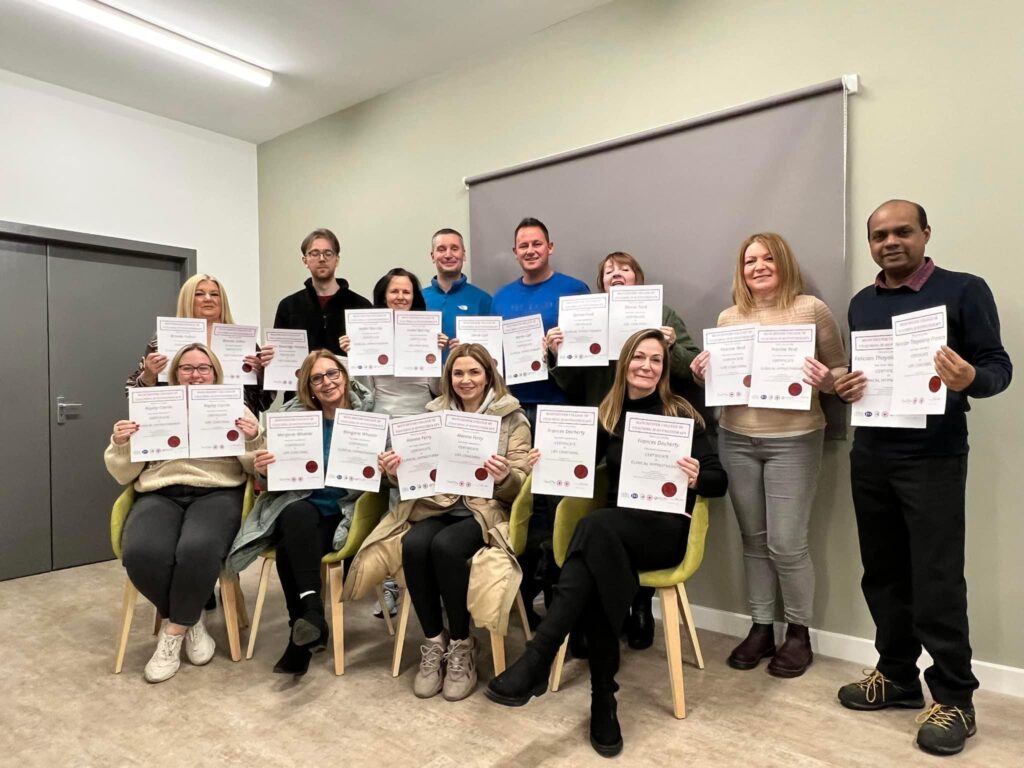
Is it too late?
No. I’d go further than that. The life you’ve already lived is one of the best things you can bring into the therapy room.
People who have worked, raised families, dealt with stress, lost people and come through hard times tend to find it easier to sit with someone’s problem without rushing to fix it. Clients pick up on that. You don’t need to have had their exact experience, but having lived a bit helps.
You also don’t need a psychology degree or any previous therapy training. The course starts from the basics.
You don’t have to quit your job to train
This is the part that surprises people. The training runs at weekends, so most people keep their job while they train.
Saturdays run from 9am to 4:30pm and Sundays from 10am to 4pm. You can train in person at Orchard Park in Glasgow, or live online. Online isn’t a recorded course you work through on your own. It’s the same weekends, in real time, with the same teaching and the same practice.
Start small, then grow
Most people don’t make the change in one big jump, and I wouldn’t advise it. A more realistic route is to build your practice alongside your current job. A few clients in the evenings or at weekends to begin with, then more as your confidence and your reputation grow.
That takes the pressure off. You’re not relying on a brand new business to pay the mortgage in month one, and you get to find out what kind of work you enjoy most.
I’ve written more about the money side in Can You Make a Living as a Hypnotherapist? An Honest Answer.
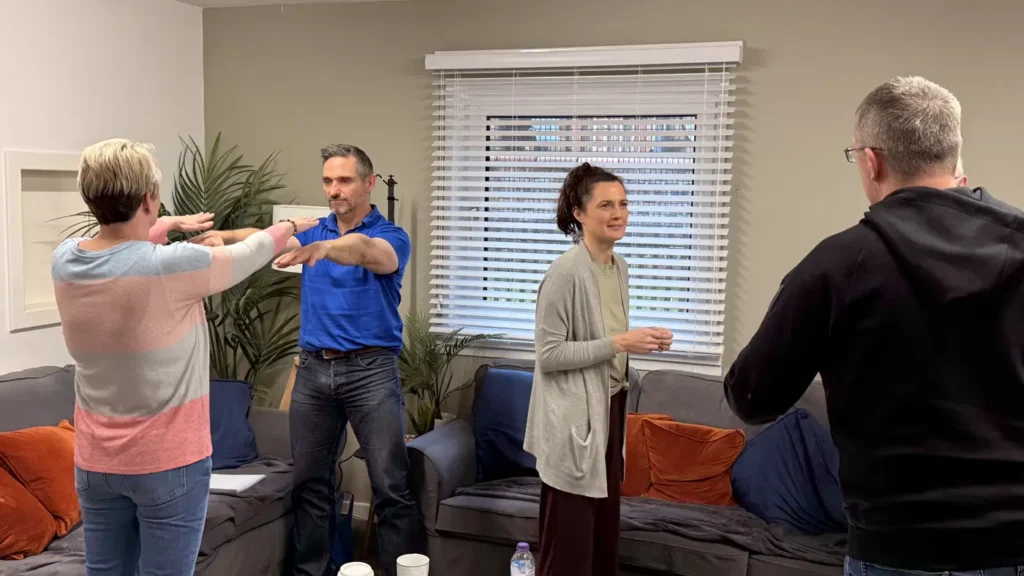
Which route makes sense for a career change?
There are two routes.
- Foundation Diploma. Four weekends over four months. £1,300, which you can spread over the four months. It gives you a recognised qualification and lets you register with the ACCPH.
- Full Diploma. Nine weekends over nine months. £3,000, which you can spread over the nine months. It goes further, with case studies, an open book exam and a practical assessment, and it includes a separate qualification in regression.
If hypnotherapy is going to become your main work, the full Diploma is usually the better fit. If you want to test the water first, you can start with the Foundation and move on to the full Diploma later, just paying the difference.
I go through the two side by side in Foundation Diploma or Full Diploma in Hypnotherapy: Which Is Right for You?
More than one technique
The course isn’t just hypnosis. Alongside hypnotherapy you learn EFT, NLP, life coaching skills, regression and eye movement reprocessing techniques. When you’re building a new career, that matters. You’re not relying on one approach for every person who walks through the door.
Support after the course
A certificate on its own doesn’t make you confident. Students keep access to our online school and student community after the course, so they can go back over material and ask questions. Members of The Vault, our ongoing training membership, can also come along to supervision sessions at Orchard Park, which count towards supervision and CPD hours.
A few honest questions to ask yourself
- Do I want to spend my days working with people’s problems? It’s rewarding, but it’s real work.
- Can I build this up gradually alongside my current income?
- Am I happy to keep learning? The best therapists I know never stop.
If the answer to those is yes, it’s worth a conversation.
Frequently asked questions
Am I too old to train as a hypnotherapist?
No. There is no upper age limit, and the life experience you bring into the room is a real strength when you start working with clients.
Do I need a psychology degree or a therapy background?
No. You don’t need a degree or any previous therapy training. The course starts from the basics. There’s more in Who Can Train as a Hypnotherapist?
Can I train while working full time?
Yes. The training runs at weekends, Saturdays 9am to 4:30pm and Sundays 10am to 4pm, so most people keep their job while they train.
How much does hypnotherapy training cost?
The Foundation Diploma is £1,300 and the full Diploma is £3,000, and both can be spread over the length of the course. There’s more detail in How Much Does Hypnotherapy Training Cost in the UK?
When is the next course?
The next intake starts on Saturday 27 February 2027, in Glasgow or live online.
Thinking about a change?
If you’re thinking about a career change and wondering whether hypnotherapy could be it, book a free call and we can talk it through with no obligation. You can also see dates and full details on our hypnotherapy training page.